
Overview
In brief:
- Know Your Business (KYB) verification establishes the validity of business identities during onboarding
- Building an effective KYB verification process is key to stopping fraudsters from onboarding on your platform
- To get started, you must collect the necessary information to perform KYB checks
Know Your Business (KYB) verification compliance is no longer a luxury — it’s a necessity. Whether you’re a financial institution, fintech startup, or marketplace, verifying businesses before engaging with them is essential for preventing fraud, ensuring regulatory compliance, and building trust with your customers.
But getting started can feel overwhelming. That’s why we’re breaking it down into the foundational steps every company should take to establish a strong business verification process.
Let’s start with the basics of what Know Your Business verification is.
What is Know Your Business (KYB) verification?
Know Your Business verification, or KYB, involves confirming a company’s legitimacy and assessing its risk profile. This process ensures that businesses you work with are who they say they are and aren’t involved in illicit activities like money laundering or fraud.
KYB is similar to Know Your Customer (KYC) but with an extra layer of complexity. Instead of just verifying individuals, KYB focuses on verifying entire businesses and their Ultimate Beneficial Owners (UBOs) to ensure they are legitimate and compliant with financial regulations.
At its core, business verification includes:
- Checking official business registration records
- Verifying ownership and identifying beneficial owners
- Screening for red flags like fraud indicators or sanctions
- Ensuring the business is financially stable
Establishing a robust KYB process from the start helps businesses avoid regulatory pitfalls and fraudulent activity that can result in financial and reputational damage.
Getting started with KYB verification
If your business is just starting out with KYB, here’s how to establish the base of a strong business verification process:
1. Collect essential business information
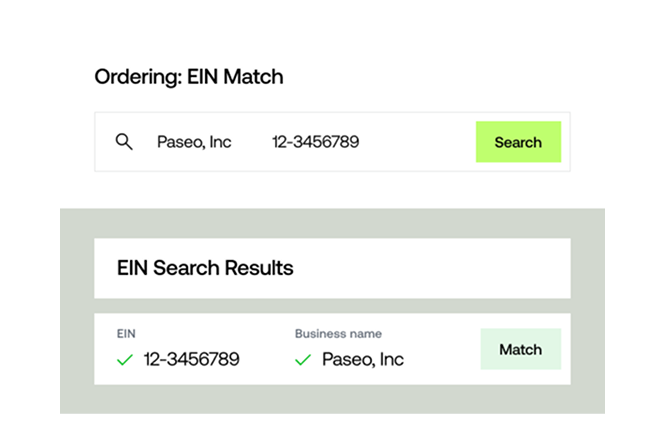 Start by gathering core details about the businesses you’re onboarding, including:
- Legal business name and structure – Ensure alignment with official records
- Employer Identification Number (EIN) – Confirm that the business is registered with the IRS
- Business address and contact details – Verify that the business location is valid
- Industry classification (NAICS/SIC codes) – Understand the type of business you’re working with
2. Verify business identity
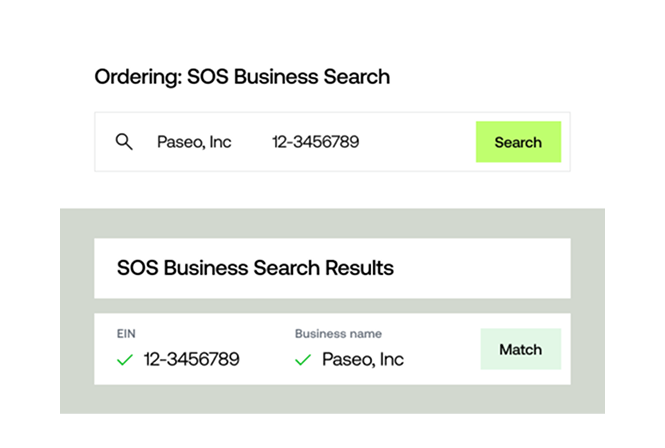 Once you have the basics, cross-check this information with official sources like:
- Secretary of State databases
- IRS records
- Business credit reports
- Online business directories and public filings
Discrepancies between what a company provides and what’s on record could signal fraud or risk factors that require deeper investigation.
3. Identify beneficial owners
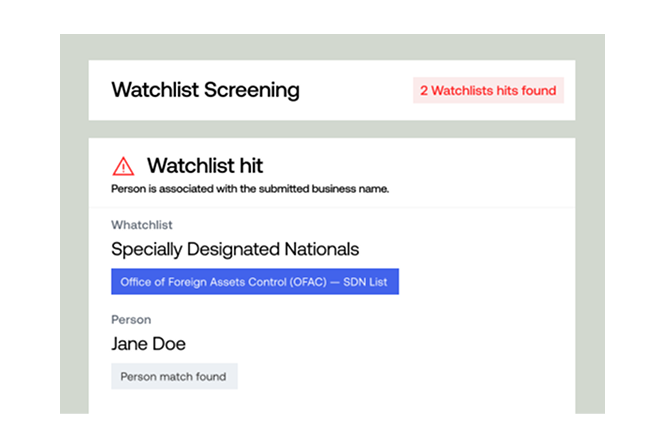 The Customer Due Diligence (CDD) Rule requires businesses to identify:
- Individuals with at least 25% ownership
- Those with significant control over the company (e.g., executives)
- Politically exposed persons (PEPs) or individuals on sanctions lists
The importance of identifying beneficial owners was highlighted by the Panama Papers leak in 2016, which exposed a hidden network of businesses used to launder money and hide assets behind shell companies. This scandal led to sweeping global financial regulations, including stricter KYB compliance requirements.
Requesting government-issued identification from key stakeholders helps confirm identities and prevents businesses from being used as fronts for illegal activities.
4. Conduct basic risk assessments
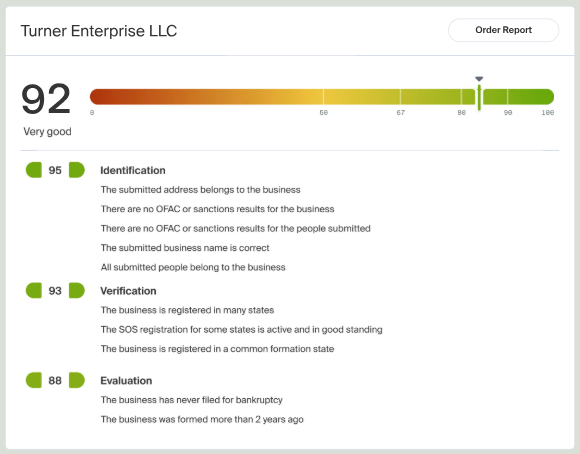 Not all businesses present the same level of risk. A simple risk assessment should evaluate:
- Industry risks – Is the business in an industry more prone to fraud (like crypto or gambling)?
- Geographical risks – Is the business operating in high-risk jurisdictions?
- Online presence and reputation – Does the business have a legitimate website and reviews?
The goal is to flag potential risks early so you can either proceed with caution or escalate to more in-depth due diligence.
Why Know Your Business verification matters
Failing to implement proper KYB measures can expose your business to unnecessary risks. Fraudsters often target companies with weak verification processes, exploiting gaps in compliance to commit financial crimes. By putting foundational KYB measures in place, you:
- Reduce exposure to fraud and money laundering
- Ensure regulatory compliance with AML laws
- Protect your company’s reputation and customers
While this is just the first step in a complete KYB program, getting it right lays the groundwork for a scalable and efficient compliance strategy. If you’re looking for help getting started, set up a demo with our experts at Middesk who can walk you through how you can build your KYB process on our Know Your Business solution.
If you just want to see it in action, check out our on-demand product demo of Middesk Verify right here and now:


